By Ramiro Del Rio
Sleeping in San Blas with Two Hours of Light
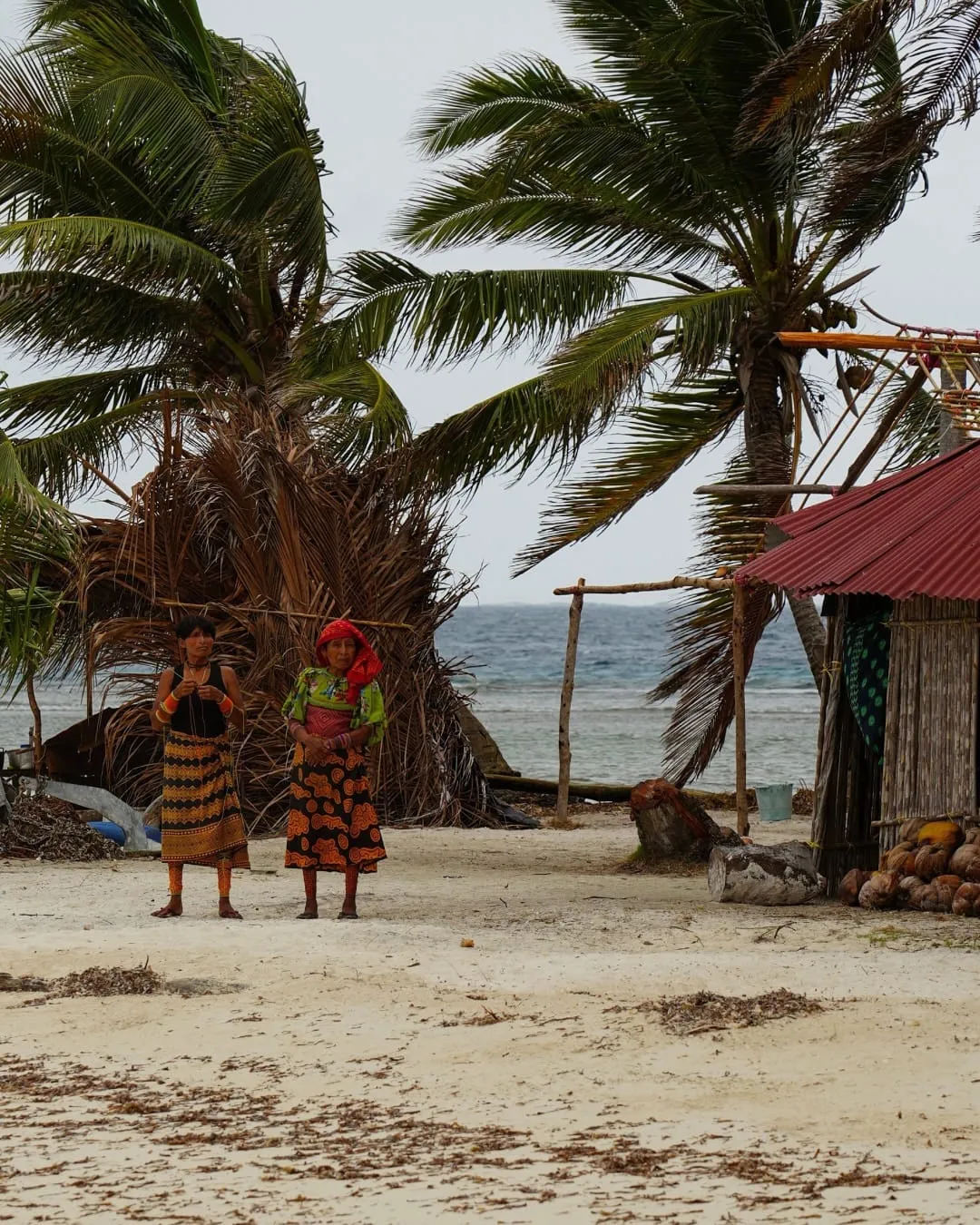
Almost everything written about sleeping in San Blas talks about the hammock and the sunrise. Both are true. What gets said less often is that the electricity comes from a generator and it goes off, that the bathroom is shared and that there is no wifi.
Saying so up front scares nobody away: it filters. People who come knowing it go home delighted; people who come expecting a hotel do not.
The light: a few hours after dark, then it stops
The islands are not connected to any grid. Where there is electricity it comes from a generator or from solar panels with small batteries, and it runs for a while as night falls —usually for dinner and not much more. Then it goes off.
What that means in practice:
- Bring a head torch. It is the single most useful object you can put in your bag. Your phone light works, but it leaves you with no battery and one hand short.
- Charge everything during the day, while the generator is running, or at your hotel before you leave. One charged power bank is worth more than two chargers.
- The darkness is real. There are no street lamps and no glow of a city on the horizon. That is also why the stars look the way they do here and almost nowhere else.
The water and the bathroom
Fresh water arrives in drums from the mainland. That is not a romantic detail: it is the reason showers are short, sometimes a bucket, and the reason you are asked not to waste it.
Bathrooms are usually shared and simple. On many islands the drain goes straight into the sea, so you are asked to use biodegradable soap and shampoo, or to wash only what you need to. This is not brochure environmentalism: you are inside the system where the families who live there bathe and fish.
And one piece of advice that is always appreciated: bring your own toilet paper.
The food
You eat what there is and what was caught that day. Fresh fish, coconut rice, patacones, sometimes lobster depending on the season. There is no menu, no kitchen open at midnight and no full fridge.
If you have a dietary restriction —you do not eat fish, you are coeliac, you are strictly vegetarian— it has to be flagged when you book, not when you arrive. On an island with no shop, nobody improvises an alternative menu. We go into it in eating in San Blas.
The connection: there isn’t one
Mobile coverage is patchy and wifi, in practice, does not exist. There are islands where you catch a signal by climbing to one particular spot, and islands where there is nothing at all.
This has two sides. The awkward one: if you are expecting an important call, sort it out before you board; and if somebody is going to worry about you, warn them you will be off the grid. The other side is that this is exactly what a lot of people come looking for and cannot find anywhere else.
Also, there are no cash machines and no card readers on any island: everything is paid in cash, in small notes. It is all laid out in how much cash to bring.
The noise, the bugs and the bed
At night you hear the sea and little else. The cabins are cane walls and palm roofs, not soundproofing: if your neighbour snores, you will know.
There are mosquitoes, above all at dusk and on the islands with more vegetation. Repellent, long sleeves at that hour and, if the cabin has a mosquito net, use it.
Beds run from a hammock to a simple mattress depending on the lodging. Nobody is going to change your sheets halfway through your stay or leave a folded fresh towel out for you.
What you get in exchange
All of the above reads like a list of things you give up, and it is. But it is the price of three things a single-day tour cannot give you.
The empty island. The day boats leave in mid-afternoon. What is left afterwards —a beach with nobody on it, the light going down— is not bought with money, it is bought by staying.
The sky. With no artificial light for miles, the Milky Way is visible to the naked eye. It is the thing people mention most when they get back.
The pace. A day tour is rushing to see a lot. A night is stopping.
How to choose well
If this suits you, the next question is how many nights and in which area. A two-day format gives you the afternoon and the sunrise without going too far; a three-day one also gets you out to remote parts of the archipelago.
You can compare all our tours and the price of each format. And if you are torn between staying over and just doing the day, we weigh it up in day tour or overnight stay.
Frequently asked questions
Is there electricity on the San Blas islands? There is no grid. Where there is light, it comes from a generator or from solar panels, and it runs for a few hours after dark.
Is there wifi? Not reliably. Mobile coverage is patchy and on many islands there is no signal at all.
What are the bathrooms like? Shared and simple, with limited fresh water that arrives in drums from the mainland. Bring your own paper and biodegradable soap.
Is there hot water? No. And with the climate of the comarca, it is the thing you miss least.
Can I charge my phone? Only while the generator is running, and not on every island. Bring a charged power bank.
Are there mosquitoes? Yes, above all at dusk and on the islands with vegetation. Repellent and long sleeves at that hour.
What happens if I have a medical emergency? The islands have no health centre. Anything serious means going back to the mainland by boat, and at night that depends on the sea. If you have a condition that needs quick attention, say so before booking and we will talk it through frankly.