By Ramiro Del Rio
Guna Yala Lobster Closure: Dates and What to Eat
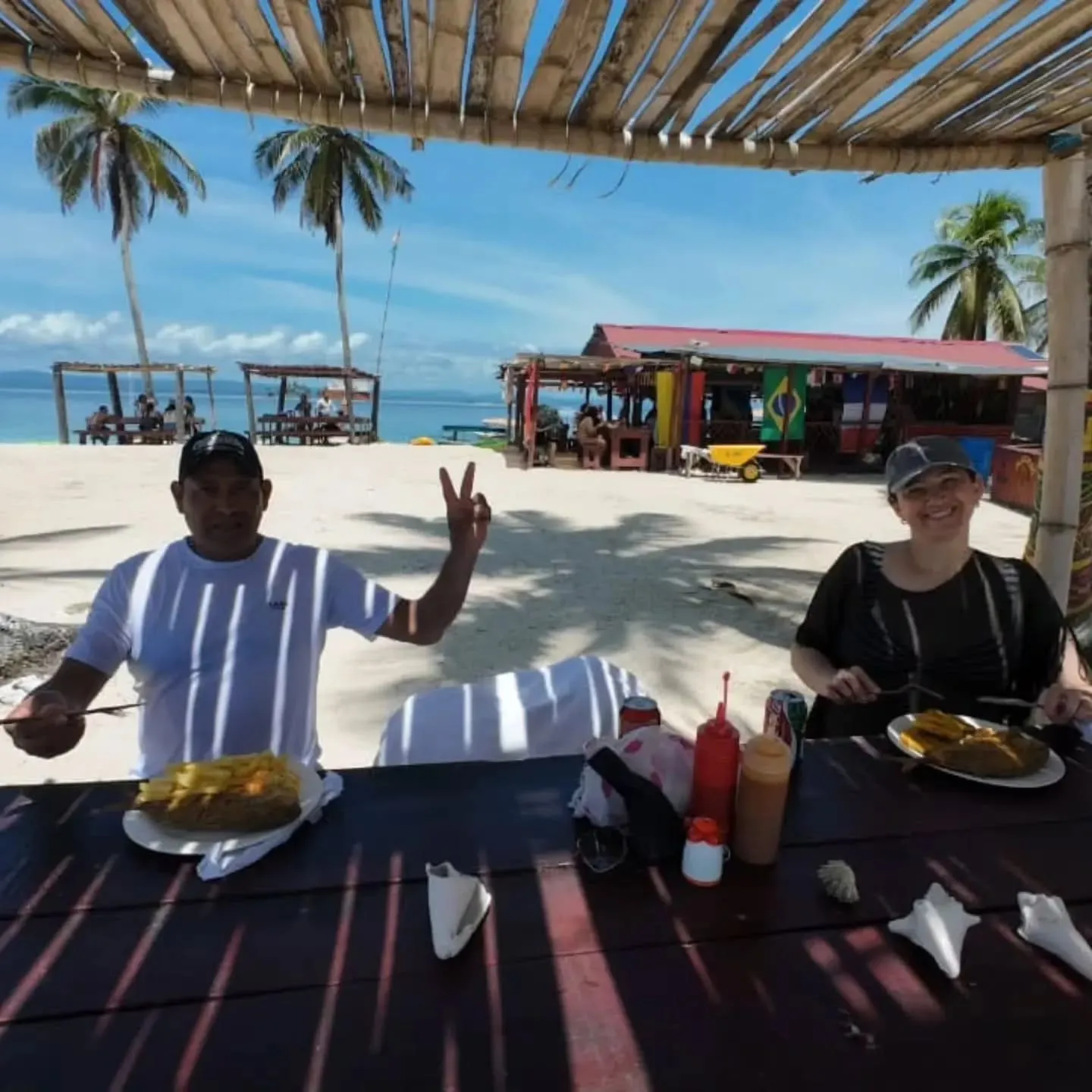
Don’t order lobster in Guna Yala between 1 March and 30 June. In 2000 the Guna General Congress set its own closed season from 1 March to 31 May, and every year Panama’s Aquatic Resources Authority (ARAP) applies another one, from 1 March to 30 June, across the whole Panamanian Caribbean.
Two closures that overlap
The first belongs to the comarca. As the Panamanian daily Mi Diario reported in 2021, the Guna were the first to set a lobster closed season, back in 2000: ninety days, from 1 March to 31 May, decided by the Guna General Congress for its own territory.
The second is national and regional. Panama belongs to the Central American Fisheries and Aquaculture Organization (OSPESCA), whose regulation OSP-02-09 suspends Caribbean lobster fishing for four months a year, from 1 March to 30 June. ARAP enforces it through an annual resolution; the 2020 one, for example, is Resolution ADM/ARAP No. 019, and in 2026 ARAP once again opened the paperwork for the regional closure.
For a traveller the maths is simple: March to May both apply, and in June the national one is still in force. That’s four months without fresh lobster.
Why it exists
The species is the Caribbean spiny lobster (Panulirus argus). ARAP’s resolution states the goal plainly: to protect juveniles and egg-bearing females during the breeding period. Fish them in those months and there are fewer the following year.
In Guna Yala lobster isn’t just something on a menu: it is one of the comarca’s sources of income, alongside molas and coconuts. It’s caught by free divers with mask and fins; according to the same Mi Diario report, scuba tanks are not allowed in the comarca except for research authorised by the Guna General Congress. Respecting the closure means respecting that work.
ARAP also points out that lobster tails under 14 centimetres are illegal and can be seized.
What it means for you
Don’t order or buy lobster between 1 March and 30 June, whether on an island or in Panama City. During the closure the resolution bans possessing, transporting and selling lobster unless it was frozen beforehand and carries an inspection certificate. That does exist, but you can’t check it from your table, so the sensible thing is to skip it.
If someone offers you lobster on those dates from a boat or on a beach, you have no way of knowing whether it was caught before the closure. Saying no is the most direct way to make fishing it during those months not worth the effort.
Outside the closure, from July to February, lobster depends on what the divers bring in that day. It doesn’t always arrive, and it isn’t included by default on any tour: if you want it, ask on the island. There’s more detail in what you eat on the islands and when lobster is around.
No conch either
There’s another recent rule worth knowing. On 20 May 2026 ARAP banned, for ten years, the extraction, transport, possession and sale of marine snails of the Strombidae family — the queen conch’s family — in all Panamanian waters, as reported by La Estrella de Panamá. That includes the shells. If you see conch on a menu or a big shell for sale, now you know where it came from.
We haven’t found an official closed season currently in force for octopus or crab, so we won’t give you dates. What does apply to everything: nothing is collected from the sea in Guna Yala to take home, neither shells nor animals. The starfish at the Piscina Natural stay in the water for the same reason.
What to eat instead
On most islands lunch is built around the catch of the day, with rice and patacones. What exactly is served depends on the tour and the island, and there’s no single fixed menu: if you have an allergy or don’t eat fish, mention it when you book.
The rice often comes with coconut, which in the comarca is far more than an ingredient: every palm has a family behind it, as we explain in why you can’t just pick up a coconut. The rules on fishing, coconuts and visits aren’t set by the tour operator but by the comarca itself; to understand who decides, read how the Guna General Congress works.
If you come between March and June, the only thing you miss is the lobster. To choose a month on everything else — rain, wind, sea — see when to go to San Blas, and to choose a route, all our tours.
Frequently asked questions
When is the lobster closed season in San Blas? From 1 March to 30 June. The Guna General Congress has had its own closure from 1 March to 31 May since 2000, and ARAP applies a closure from 1 March to 30 June across the Panamanian Caribbean.
Can I eat lobster in Guna Yala during the closure? Better not. The only legal sale is lobster frozen before the closure and declared to ARAP with a certificate, and you can’t verify that from your table, so the sensible choice is not to order it.
Why is there a lobster closed season? To protect juveniles and egg-bearing females while the Caribbean spiny lobster breeds. In Guna Yala lobster is also a source of family income, caught by free divers.
Are there other protected species in Panama I shouldn’t eat? Yes. Since May 2026 ARAP has banned catching, transporting and selling marine snails of the Strombidae family, such as the queen conch, for ten years. We haven’t found an official closure in force for octopus or crab.